
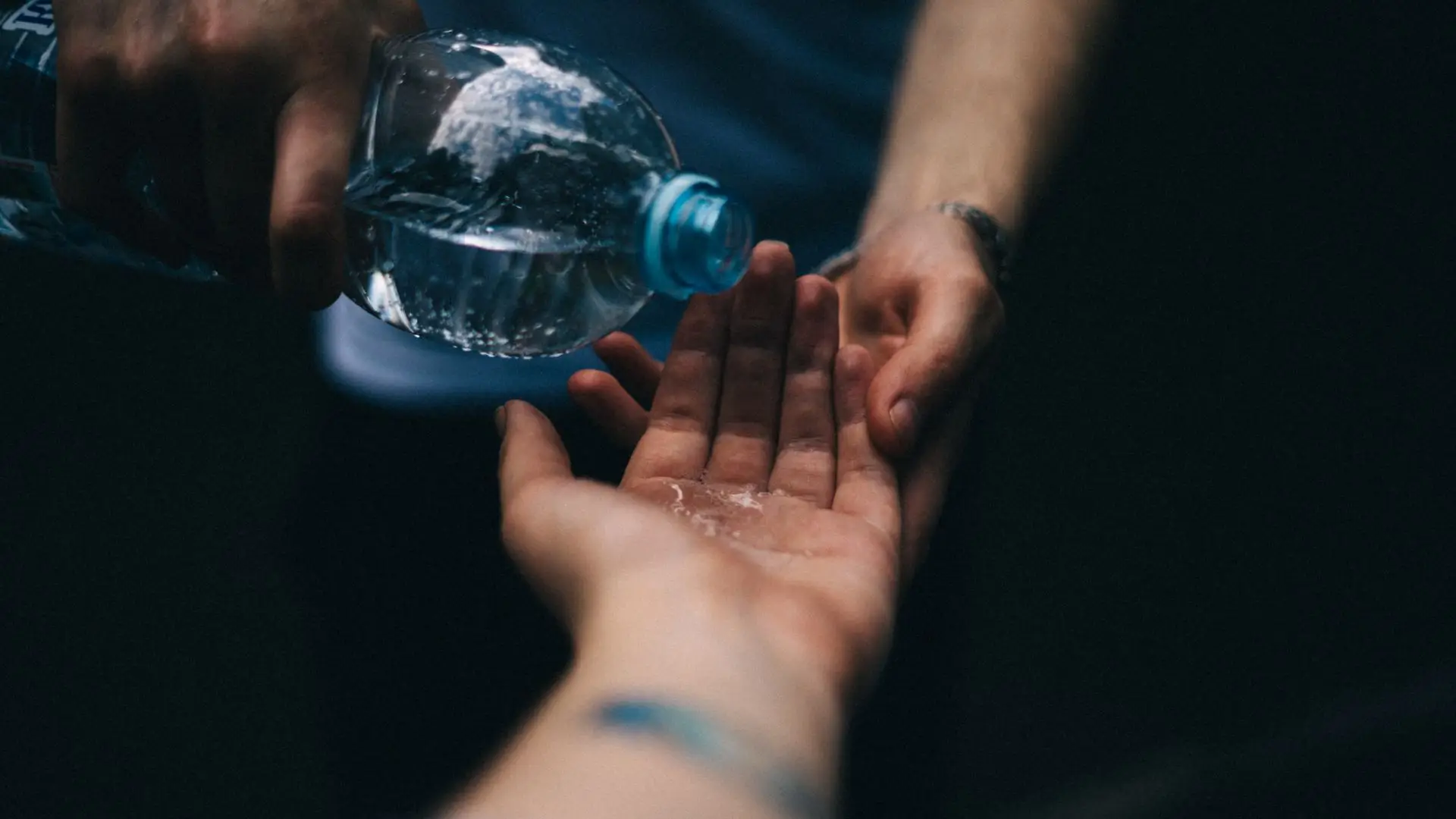
South Africa is a water-scarce country, yet millions of litres of water move through our dams, pipelines and municipalities every single day. The real challenge is not always whether water exists but whether people can access clean, safe drinking water when they need it most. Across the country, aging infrastructure, prolonged droughts, climate change, service delivery failures and intermittent water interruptions continue to place households, businesses and communities under strain. In this environment, safe and reliable packaging is no longer a convenience. It is an essential part of protecting public health.
Recent data from the South African government and Statistics South Africa reveals that many households continue to experience ongoing water interruptions, forcing people to rely on alternative sources such as water tankers, rivers, rainwater harvesting and stored water. Nationally, 39.3% of households rely on stored water during disruptions, while more than a quarter depend on water tankers or vendors for access to drinking water. These numbers highlight an important reality: safe water storage solutions have become a daily requirement in South Africa.
However, storing water safely requires far more than simply filling any available container. Drinking water can quickly become contaminated when stored in unsuitable packaging, exposed to sunlight, handled incorrectly or kept in damaged containers. Bacteria growth, chemical leaching and poor hygiene practices can all compromise water quality long after the water leaves the treatment plant. That is why food-grade, durable and purpose-built packaging solutions play such a critical role in South Africa’s water future.
Packaging protects more than products. It protects people.
Polyoak’s safe water storage solutions and packaging products are designed to help South Africans store and transport water safely, hygienically and efficiently. Whether consumers need compact portable storage or large-capacity industrial solutions, the right packaging ensures water remains protected from contamination while maintaining product integrity over time.
The Polyoak 10L PET bottle, for example, provides a practical and durable solution for portable drinking visibility and secure sealing properties, making it ideal for both household and commercial use. In areas where residents regularly collect water from communal points or water tankers, reliable portable containers become essential everyday tools rather than occasional-use products.
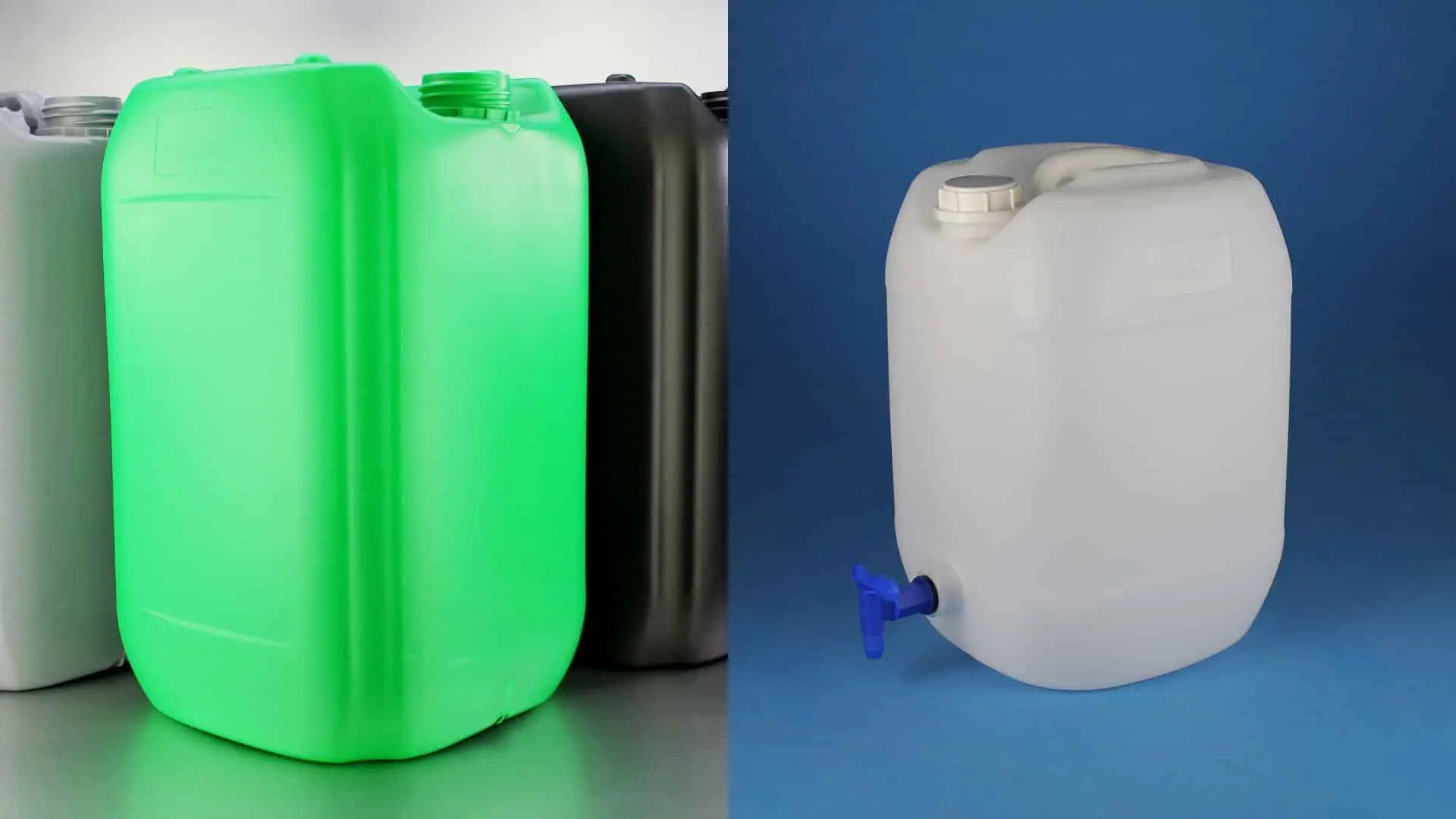
For larger-scale storage, our 150L, 210L and 250L drums with tap caps provide durable solutions for households, agricultural operations, disaster relief efforts and industrial applications. Designed for functionality and repeated use, these drums allow users to store water safely while improving dispensing hygiene through controlled tap systems. This reduces unnecessary handling and minimises the risk of contamination during use.
The inclusion of tap-cap dispensing systems is especially important in environments where multiple people access stored water. Open containers and repeated dipping methods can quickly compromise drinking water quality. Controlled dispensing helps preserve hygiene standards while reducing water waste, an increasingly important consideration in water-stressed regions.
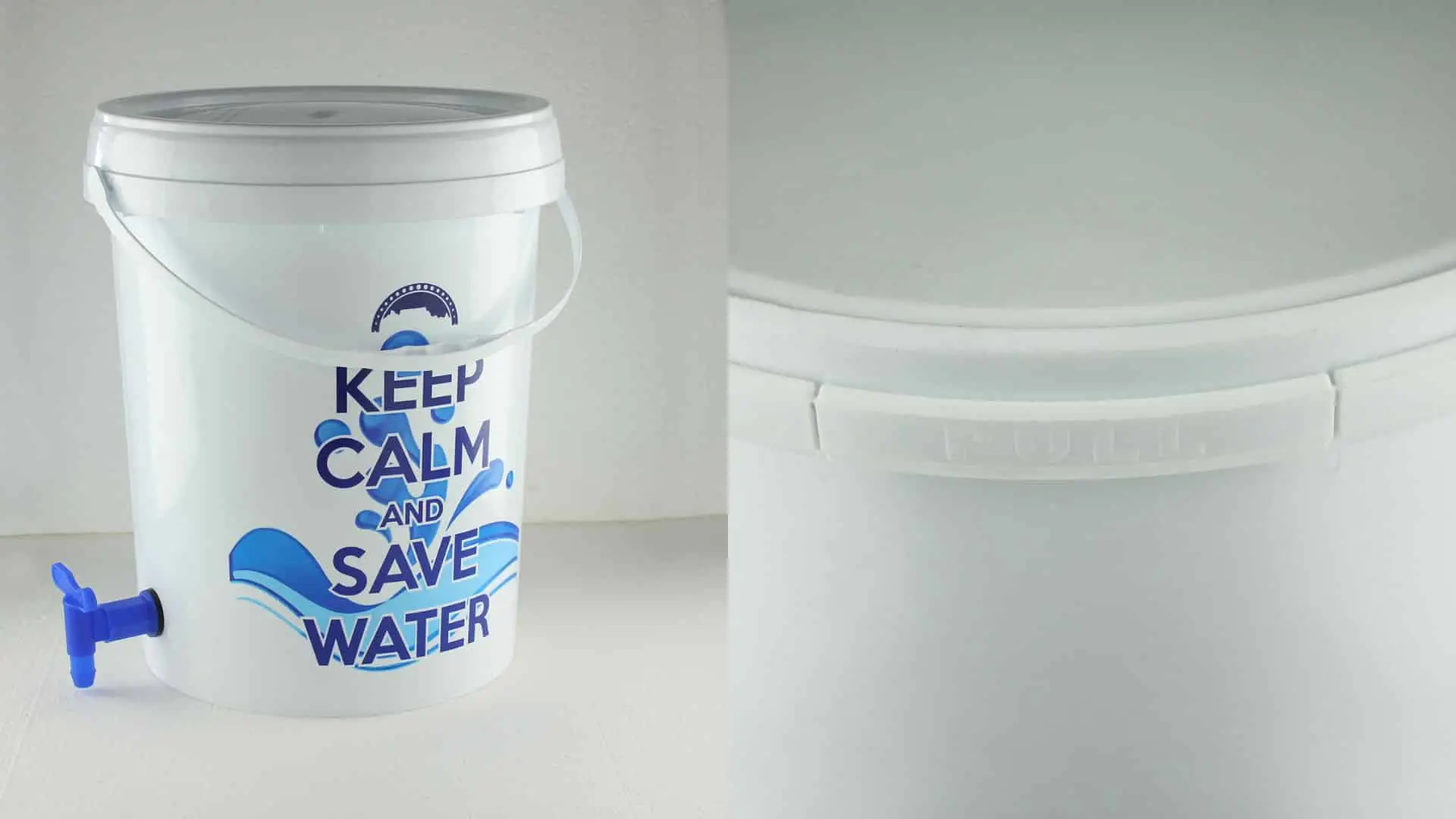
Similarly, the 20L Polypail bucket remails one of the most versatile and dependable packaging solutions for water collection and storage. In many communities, 20-litre containers form part of daily water transport and household storage systems. The durability, stackability and food-grade quality of these containers help ensure that water stays protected from environmental contaminants during transportation and storage.
South Africans understand better than most that access to water can never be taken for granted. As the country continues to navigate infrastructure challenges, climate pressures and changing consumer needs, the role of safe, durable and hygienic packaging will only become more important.
Because in a country where water interruptions are becoming increasingly common, having water nearby is not enough. The real priority is ensuring there is always clean, safe drinking water when it matters most.