
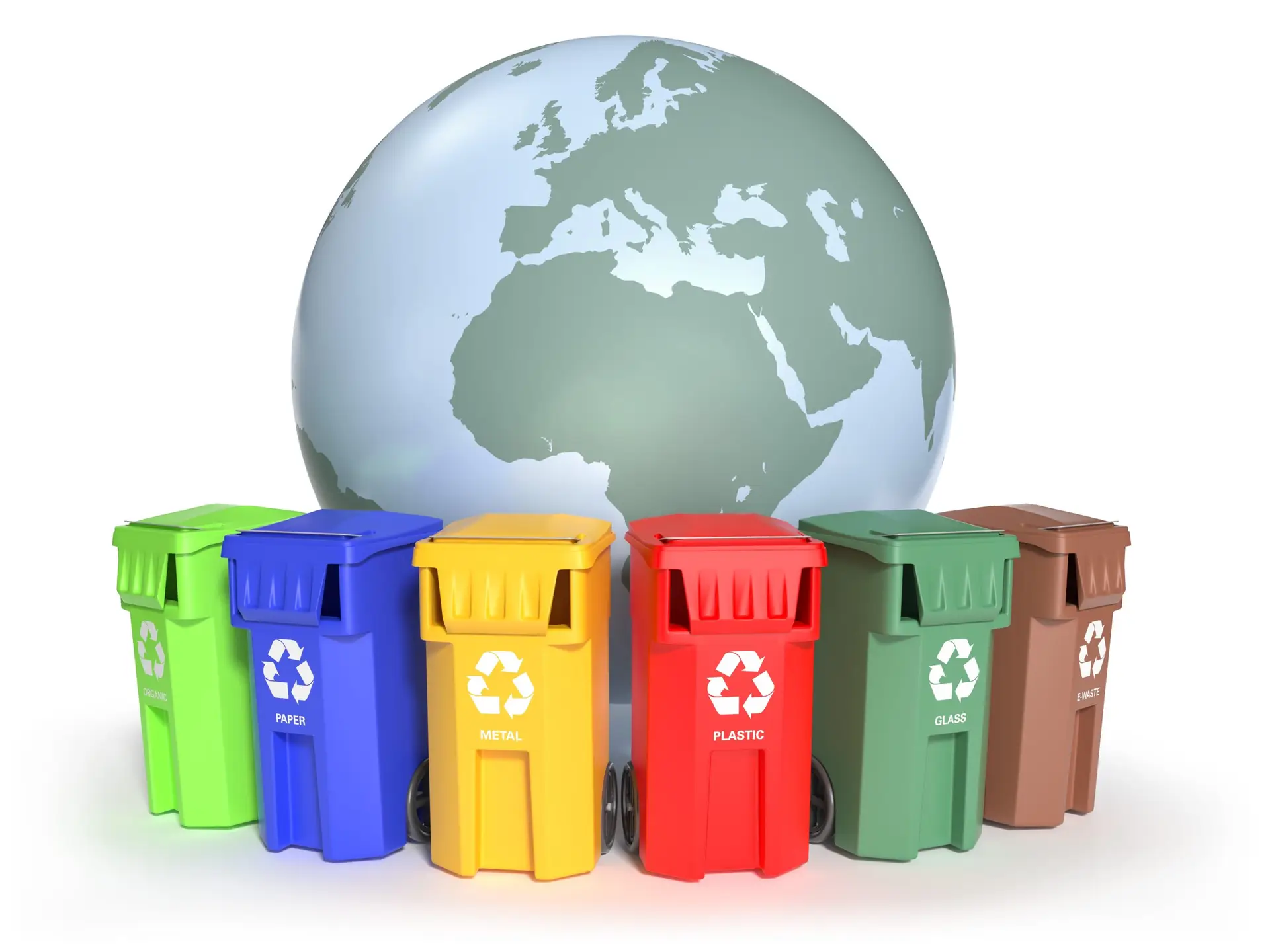
Packaging does far more than contain a product. It protects food, preserves quality, enables safe transport and helps reduce waste throughout the supply chain. Even at its end of life, it can continue to deliver value to collectors and recyclers, if there is proper communication about how it should be handled once its other jobs are done.
From recycling symbols to disposal instructions, the information printed on packaging plays a critical role in supporting South Africa’s transition to a more circular economy. Industry organisations such as Plastics SA, the South African Plastics Pact and PROs continue to encourage consumers and brand owners to understand these symbols and make informed responsible packaging choices to help keep valuable materials in circulation.
Resin / Polymer Identification Codes (RIC / PIC)
One of the most familiar symbols found on packaging is the triangle accompanied by a number. The number represents the type of plastic resin used to manufacture the packaging. This international system is called Resin Identification Codes (RIC). These resin or polymer identification codes help waste reclaimers identify what type of plastic the item is, so that they know which buy-back centre or recycler to take the item to. Not all recyclers recycle all the different plastic types. Some recyclers only recycle one type, for example PET. RIC’s are also used by recyclers to sort materials correctly for more efficient recycling processes. Commonly recycled plastics in South Africa include PET (1), HDPE (2) and polypropylene (5), all of which are widely used across the packaging industry.
The resin code number has no bearing on how many times a pack can be recycled or reused, and likewise a number 1 for PET does not mean the pack is “single use”.
Technically the resin code number should appear on a solid triangle, without the chasing arrows. However, in practise they often appear together. Technically this is incorrect because the triangle with chasing arrows, known as the Mobius symbol, is taken to mean than the item is recyclable. For this reason, the more useful system for consumers to use is the OPRL system.
On-Pack Recycling Labels (OPRLs’)
OPRL’shave been developed specifically for consumer communication. Whilst the RIC’s are more relevant to waste reclaimers and recyclers, the OPRL’s should be used by consumers. OPRL’s provide clear disposal guidance, helping consumers to understand whether a packaging component should be placed in their recycling bin or in the general waste bin. They also guide consumers about how to prepare the item, for example rinse and replace cap. The South African Plastics Pact and its partners have been driving greater consistency in recycling labels to reduce confusion and improve recycling outcomes.
These symbols may appear small, but they carry valuable information. A simple instruction such as rinsing a container before recycling or ensuring packaging components are separated correctly can help reduce contamination and improve the quality of recyclable material re-entering the value chain.
By understanding the information printed on packaging and following the guidance provided, consumers and businesses alike can play a meaningful role in supporting South Africa’s recycling ecosystem.
At Polyoak, we remain committed to delivering sustainable packaging solutions that are designed, used and disposed of correctly, to continue creating value long after the product inside has been consumed.