
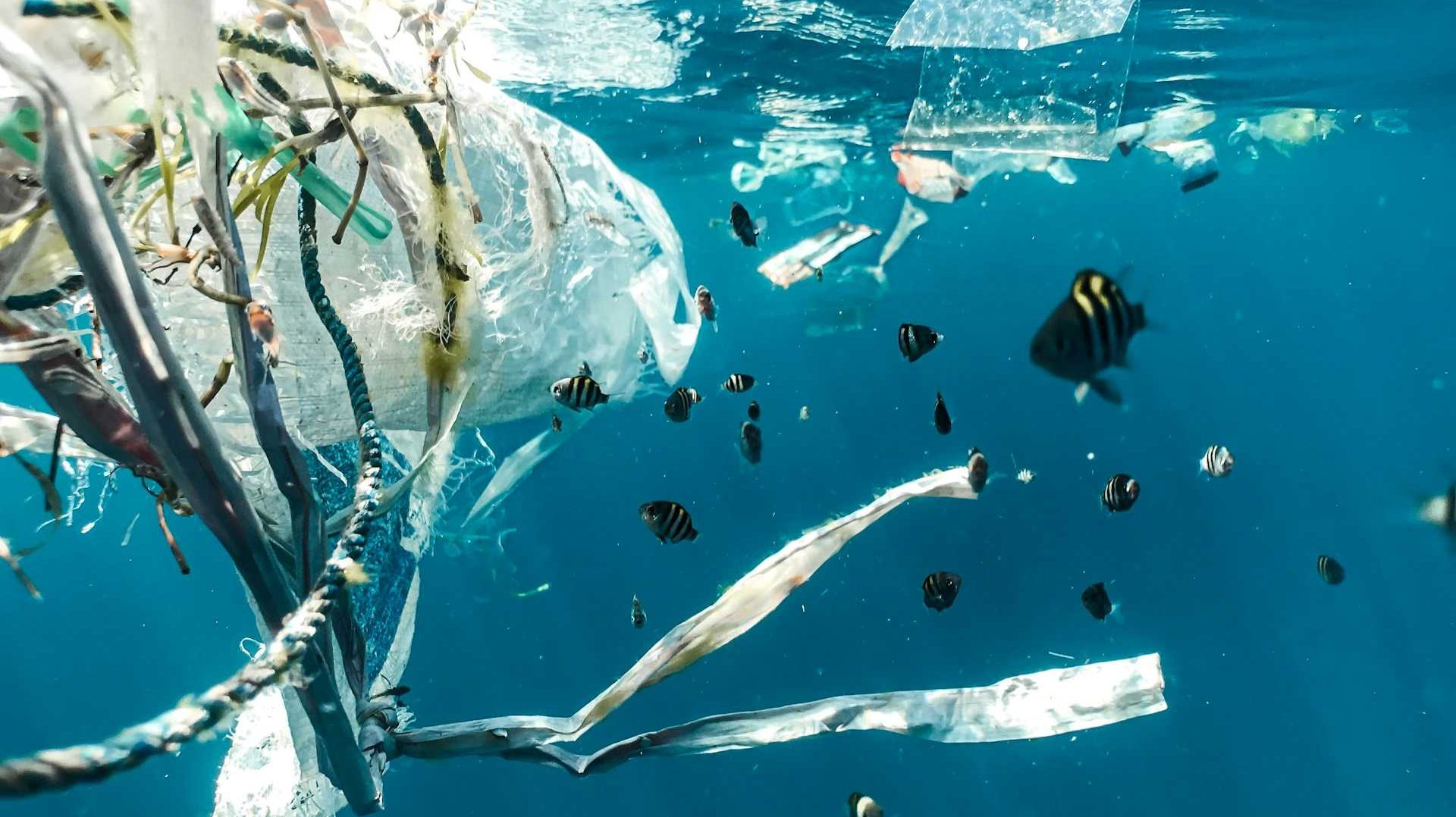
The claim that there will be more plastic than fish in the ocean by 2050 has become one of the most repeated statements in environmental campaigns. It is often presented as an undisputed fact, encouraging people to believe our oceans are on an inevitable path towards catastrophe.
The reality is more nuanced.
The Claim
The statement originated from a 2016 report by the World Economic Forum, which estimated that by weight, there could be more plastics than fish in the ocean by 2050 if current trends continued unchecked. Over time, the important context disappeared. The projection became a headline, then a slogan, and eventually a “fact”.
Today, it is frequently repeated without explaining that it was based on assumptions, not a prediction of what will inevitably happen. It also compares the estimated mass of plastics with the estimated biomass of fish – not the number of fish in the ocean.
Independent researchers have since challenged both the assumptions and the calculations behind the claim. Current evidence does not support the notion that there will be more plastic than fish in the sea by 2050.
Looking at the bigger picture
Plastic pollution is a genuine environmental issue that deserves practical solutions. But when headlines focus almost exclusively on plastics, they detract from more dangerous and imminent threats facing aquatic ecosystems.
Across South Africa, many rivers, dams and estuaries are polluted with untreated or poorly treated wastewater coming from ageing and dysfunctional wastewater treatment plants. Green Drop’s latest assessment (released March 2026) reveals that only about 39% of South Africa’s wastewater treatment works (WWTWs) are operating at or above the minimum acceptable performance level. That means that 61% of all our WWTWs are performing below the minimum required standard!
As a result, fish are exposed to contaminants that are already known to cause harm on a daily basis, yet plastic is still positioned as the main culprit.
These contaminants include:
- E. coli and other harmful pathogens from untreated sewage.
- Ammonia, which damages fish gills and can become toxic even at the relatively low concentrations.
- Nitrates and phosphates, which fuel algal blooms that reduce oxygen levels and create “dead zones” where aquatic life cannot survive.
- Heavy metals such as mercury, lead and cadmium that accumulate in fish tissue and affect growth, reproduction and survival.
- Industrial chemicals, pesticides and pharmaceuticals residues, many of which persist in waterways and disrupt aquatic ecosystems. Detection of HIV Antiretroviral Drugs, Ibuprofen, various antibiotics, painkillers and anti-inflammatory drugs are commonplace in SA waters.
Fish live in these pollutants continuously, with concerning documented impacts.
Yet much of the public conversation encourages people to worry more about microplastics found in seafood even though the health risks to humans from ingesting microplastics remain an area of ongoing scientific research, and current evidence has not established that they pose the same proven toxicological risks as many chemical contaminants already present in polluted water.
The real risks to fish
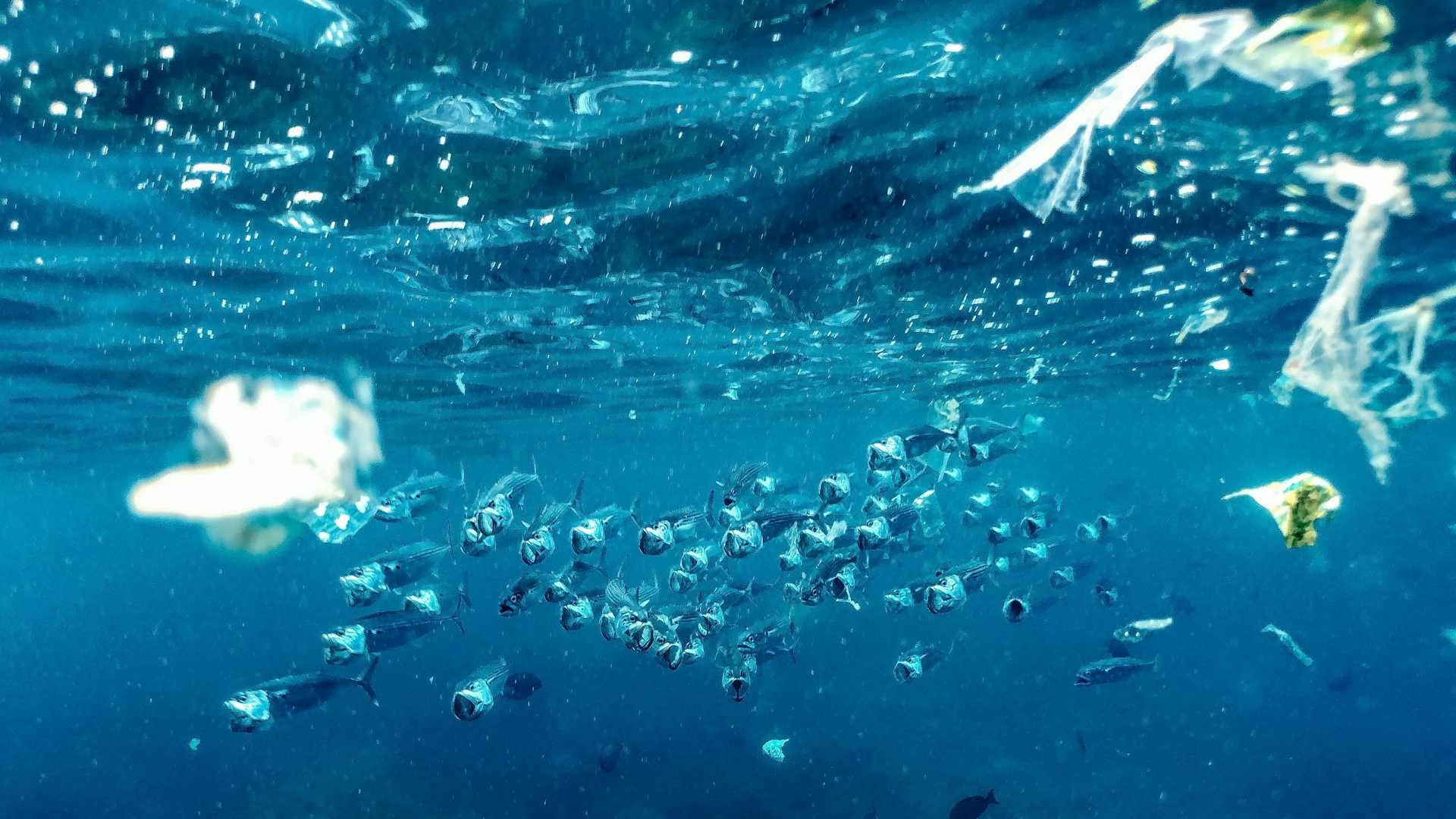
Healthy fish populations depend on healthy water.
When wastewater treatment systems fail, rivers receive excess nutrients, sewage and industrial pollutants. Oxygen levels fall, disease spreads more easily, habitats deteriorate and breeding success declines. Fish kills become more common, while invasive algae can alter entire ecosystems.
Plastic litter can certainly affect wildlife through entanglement and ingestion, particularly when waste is improperly managed. However, it is only one part of a much larger environmental picture. It’s the invisible pollutants in the water that we should be more concerned about.
Focusing on a single material while overlooking failing infrastructure risks solving the wrong problem.
Solutions that make a difference
Protecting our waterways requires evidence-based action rather than sensationalist slogans.
South Africa needs sustained investment in wastewater treatment infrastructure, stronger enforcement against illegal dumping and industrial pollution, improved waste collection services, and continued support for recycling and responsible waste management. Preventing litter from entering rivers and oceans remains essential, but so does tackling the contaminants that scientists already know are harming aquatic life every day.
Environmental progress is strongest when decisions are guided by facts instead of fear.
Plastic pollution should be addressed seriously, but it should not overshadow the more urgent issues affecting our rivers and oceans. By focusing on the full range of environmental challenges and supporting practical, measurable solutions, we stand a far better chance of protecting both our waterways and the life they sustain.