
The phrase “single use packaging” has become part of everyday conversation, but what does it mean? Many people assume that if packaging was designed to carry a product home from the shop, it should be thrown away once it’s empty. That assumption overlooks how many packaging formats can continue to add value long after their original purpose has been fulfilled.
Packaging is often labelled as “single use” because of its original purpose, not because it is physically incapable of being used again. The container may have completed its first job, but that doesn’t mean it has reached its end of life.
The way we use packaging matters just as much as the material it’s made from.
Not all plastic packaging is only meant to be used once
Plastic packaging is frequently grouped together under the “single use” label, creating the impression that it has no value after the product inside has been consumed. This broad description ignores the fact that different plastics are designed for different applications and hence have different properties.
Many rigid plastic packaging containers are durable enough to serve a second, third or even fourth purpose before they are eventually recycled. A PET jar, HDPE bottle or polypropylene (PP) tub doesn’t suddenly become unusable because the original contents are gone. The same is true for a plastic bucket or drum.
“Plastic” does not equate to “single use”. Did you know that even South African bank notes contain some plastic? Yet, these valuable notes are definitely not “single use”! In fact, they are very much in high demand…
Furthermore, “single use” includes many packaging items not made from plastic.
Packaging that is destroyed during opening, such as chocolate wrappers and blister packs for tablets, or that cannot serve another function, such as empty juice cartons, bread bag tags, cling film and brown paper bags, more closely fit the definition of “single use”.
“Single use” doesn’t mean “one use”
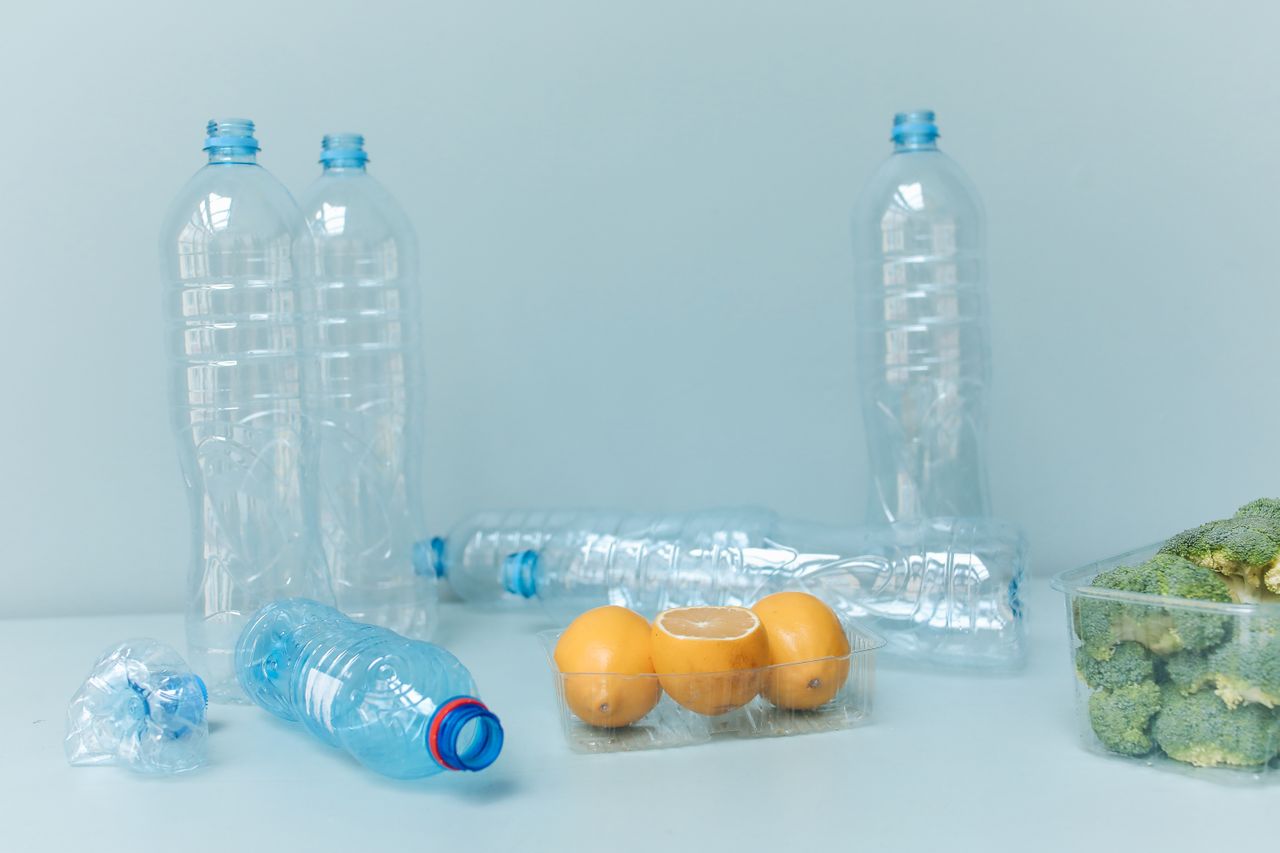
Think about the reusable bottle you carry to work every day. Whether it’s made from glass, stainless steel or plastic, you rinse it, wash it regularly and refill it.
The same principle applies to many food-grade PET and HDPE containers. Once they’ve been emptied and cleaned properly, they can continue to be useful around the home.
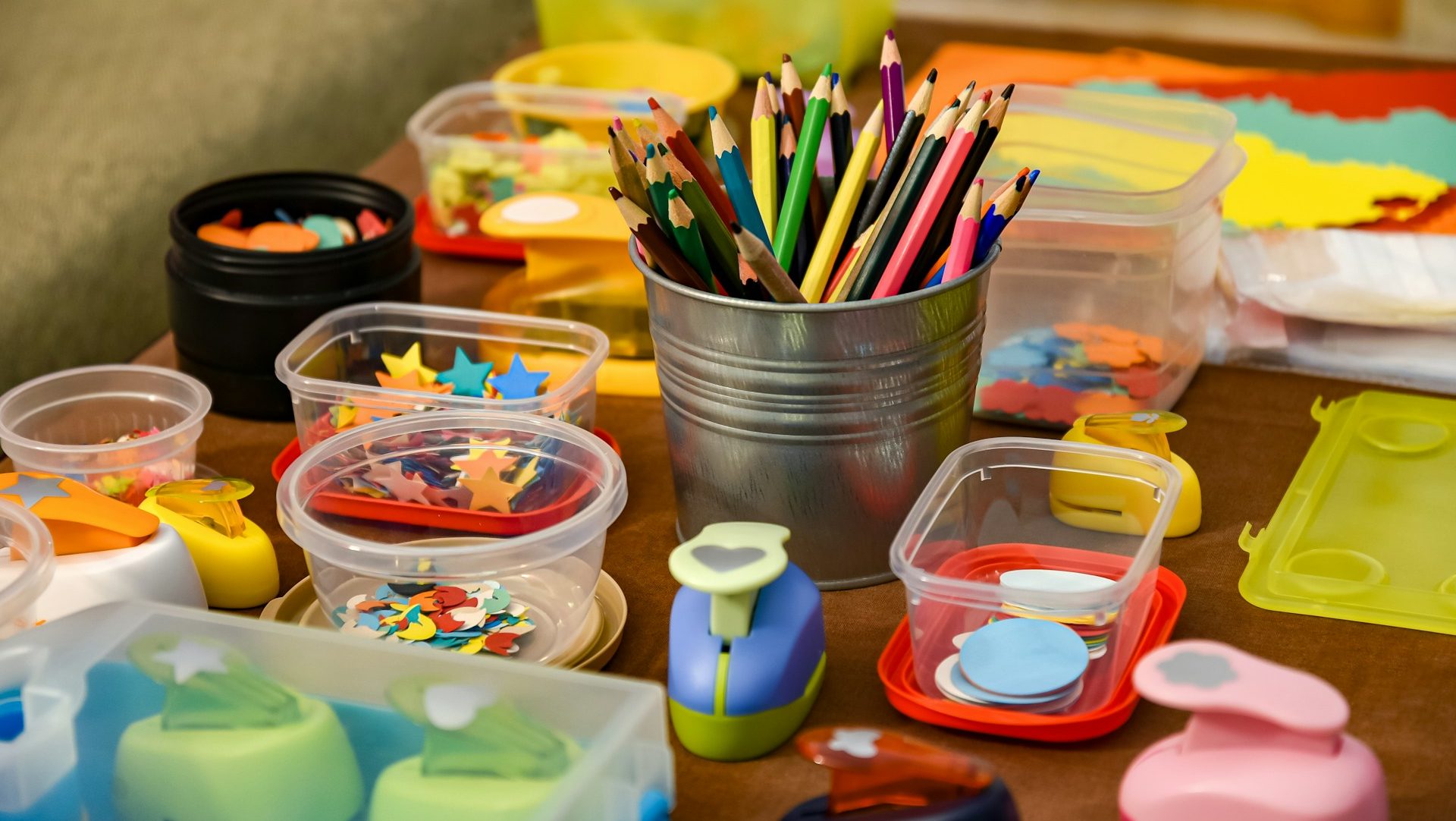
An ice-cream tub can become a storage container for leftovers or homemade soup. A yoghurt tub can organise craft supplies, screws, stationery or children’s toys. PET jars are ideal for storing baking ingredients, pet treats, seeds, spices or homemade snacks. HDPE bottles can be repurposed for cleaning solutions, provided they are clearly labelled and used safely.
This isn’t about avoiding recycling. It’s about extending the useful life of packaging before it enters the recycling journey – a principle that sits higher up the waste hierarchy than recycling.
The real issue isn’t the material
Much of the debate focuses on plastic itself, rather than how products are used and disposed of.
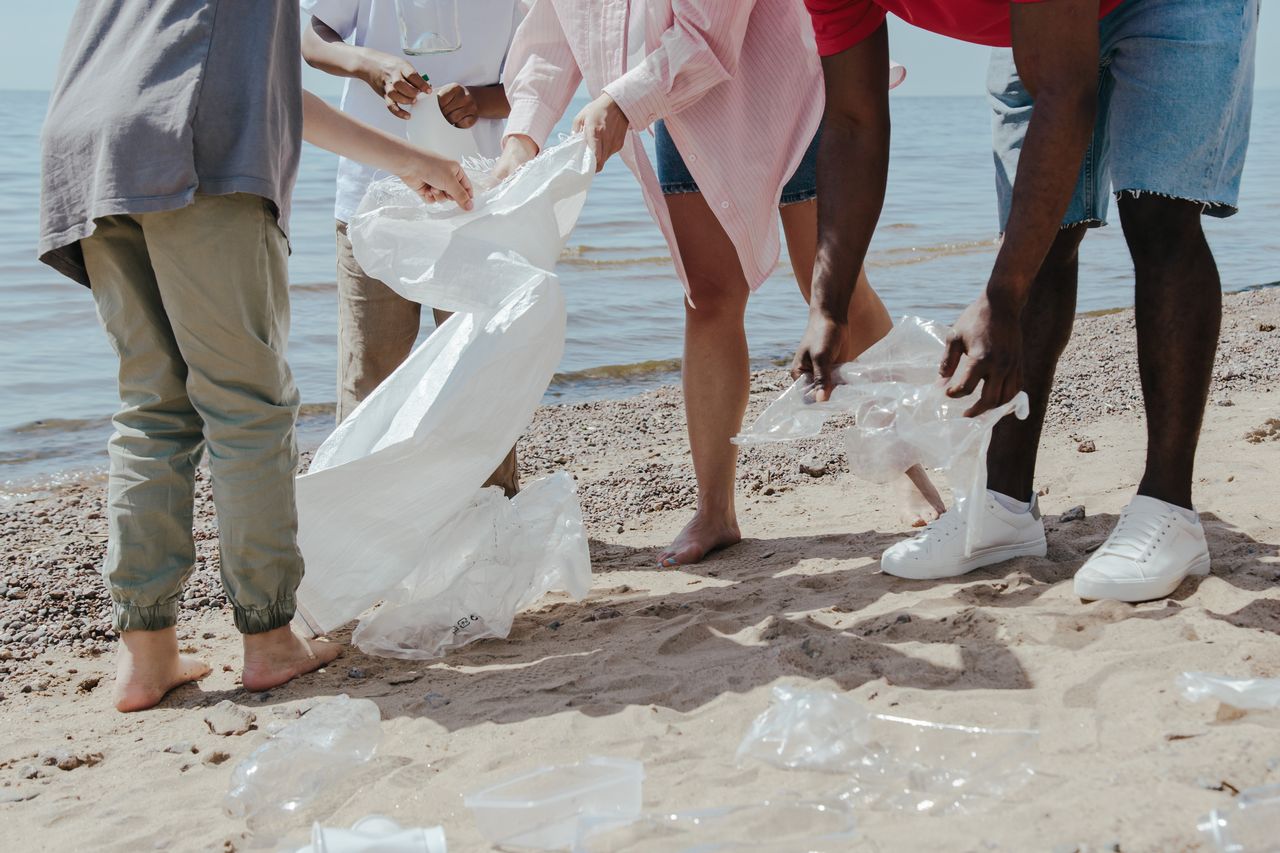
Research consistently shows that littering, poor waste management and inadequate collection systems create far greater environmental challenges that the packaging material alone. Simply replacing one material with another does not automatically reduce environmental impacts. Every material requires energy, water and natural resources to produce, and a working system for them to be effectively reused, collected then recycled.
As explained in The Plastic Paradox, sustainability depends on understanding the full life cycle of packaging rather than judging materials by perception alone. How the Environmentalists Are Killing Our Planet highlights that policies driven by emotion rather than evidence, overlook the unintended environmental costs of alternative materials.
A better way forward
Before placing an empty container into the recycling bin, consider whether it could serve another purpose in your home. Clean it thoroughly, store something useful in it and give it another life before recycling it responsibly.
Small actions like these help maximise the value of packaging while reducing unnecessary waste. When packaging has finally reached the end of its useful life, recycling ensures the material can be transformed into new products and continue contributing to a circular economy.
Packaging should never be judged only by its first use. Its real value lies in how responsibly we choose to use (and dispose of) it throughout its entire life.