
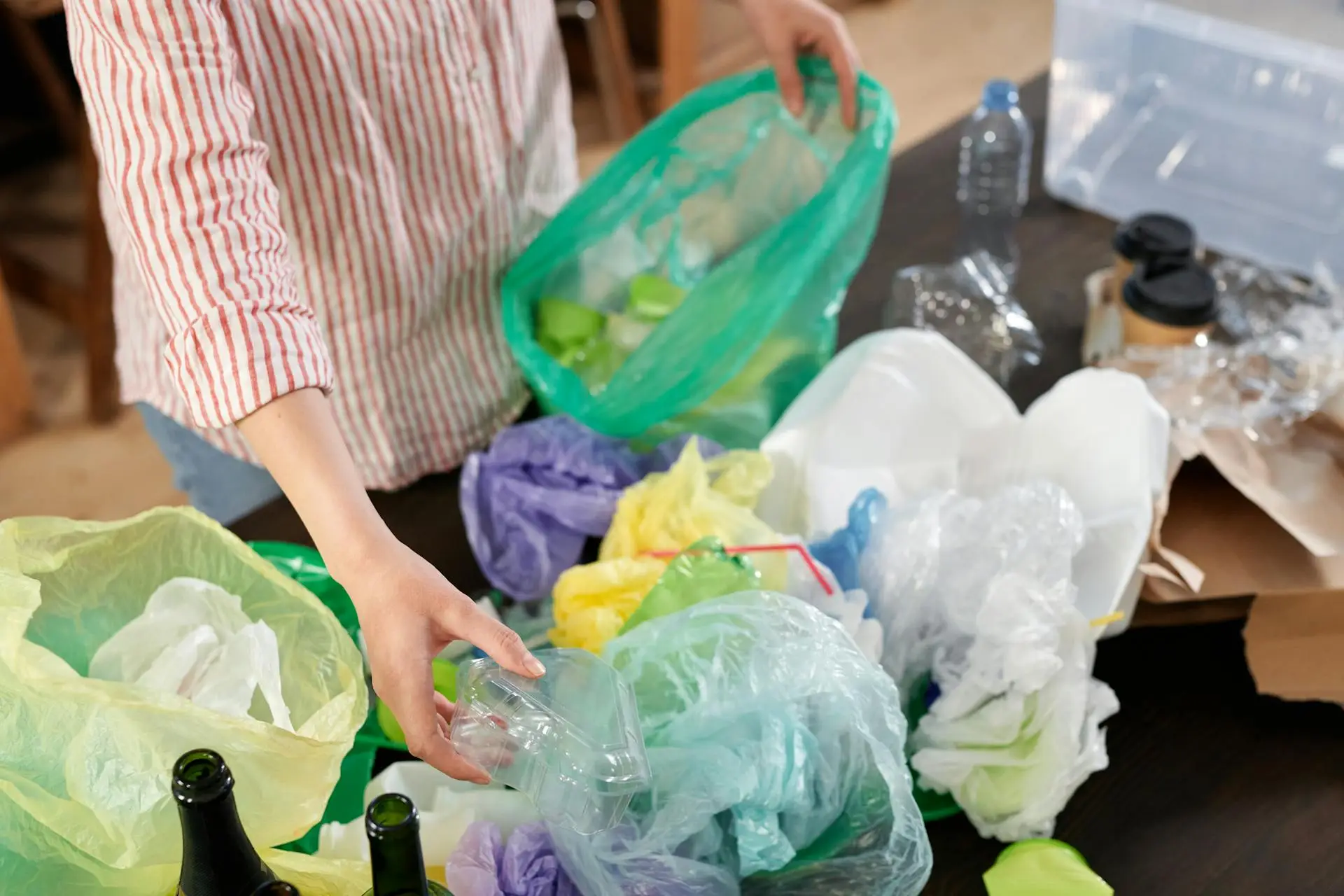
Every World Environment Day, the spotlight falls on the actions needed to protect our planet. Conversations often focus on reducing waste, conserving resources and rethinking the products we use every day. Packaging frequently finds itself at the centre of these discussions, often cast as the environmental villain.
Yet what if the story is more nuanced than that?
The truth is that sustainable packaging solutions play a critical role in protecting resources, reducing waste and supporting modern life. While packaging is often judged by what happens after use, its value begins long before it reaches the recycling bin. In many cases, packaging prevents waste, preserves essential resources and enables products to reach consumers safely and efficiently.
This is where rigid plastic packaging becomes the unseen hero.
In South Africa, where food security, water scarcity and resource efficiency remain pressing challenges, packaging does far more than simply contain a product. It protects the resources invested in producing that product in the first place.
Consider the food on our supermarket shelves. Every litre of milk, tub of yoghurt, bottle of sauce or punnet of fresh produce represents significant investments in water, energy, land and labour. If that food spoils before it can be consumed, all those resources are lost as well.
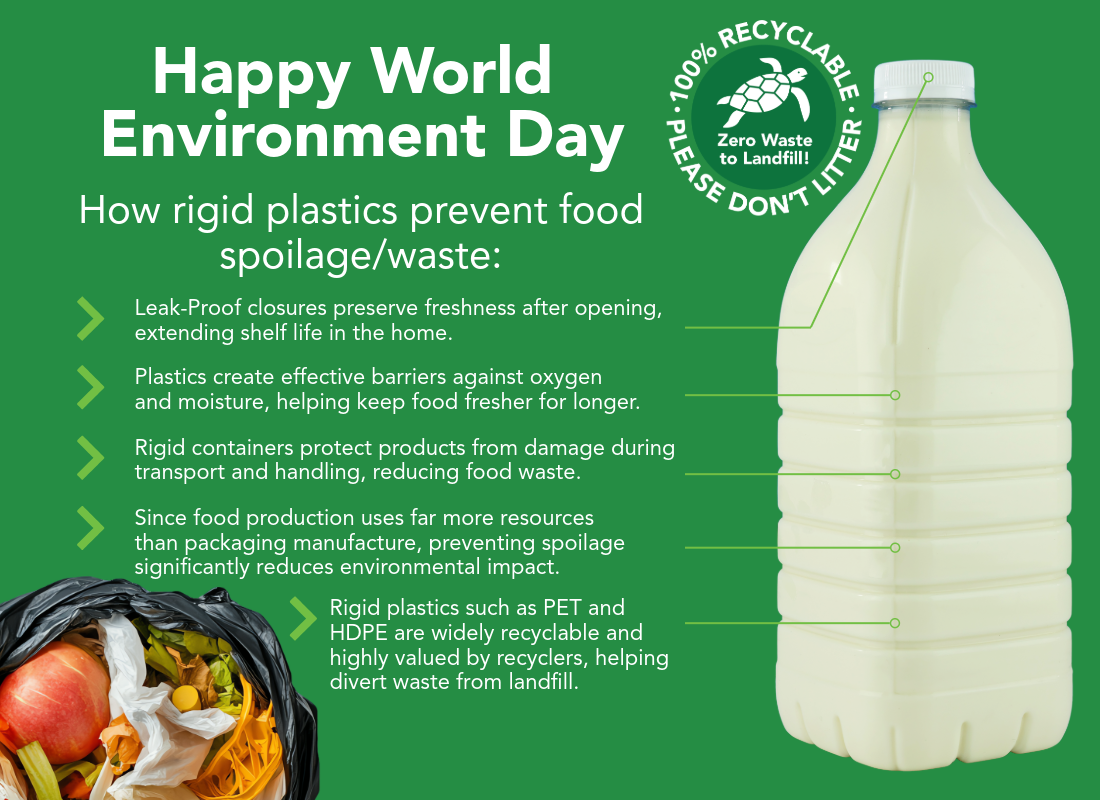
Rigid plastic packaging helps prevent this outcome. By creating barriers against oxygen and moisture, it slows oxidation and reduces the growth of spoilage-causing microorganisms. Its robust structure protects products from damage during transportation, warehousing and retail handling, while leak- proof closures prevent spillage, loss and waste. The result is less food waste throughout the supply chain and in consumers’ homes.
This matters because producing food requires substantially more resources than manufacturing the packaging that protects it. Preventing food waste is therefore one of the most effective ways to reduce environmental impact, making rigid plastics an important contributor to more sustainable food systems.
The same principle applies to water.
Access to safe drinking water remains a challenge for many South African communities. Reliable storage and transportation solutions play an essential role in safeguarding water quality and ensuring households, farms and businesses can access and store water safely when supply interruptions occur.
Durable plastic water storage containers help prevent contamination, preserve water quality and provide practical solutions for communities navigating an increasingly water-constrained future. In this way, rigid plastic containers, such as large drums and bottles, contribute directly to protecting one of our country’s most precious resources.
At Polyoak Packaging, we believe sustainable packaging solutions must be measured by their ability to deliver real environmental value throughout their lifecycle. That means designing products that not only perform effectively but can also remain in circulation long after their initial use.
Our packaging is designed to support South Africa’s circular economy through materials such as PET, HDPE and polypropylene (PP), all of which have established recycling streams. These materials can be collected, sorted and reprocessed into new products, helping to reduce waste and keep valuable resources in use. We also incorporate post-consumer recycled (PCR) plastic into selected applications, giving recycled material a second life without compromising performance and safety.
Importantly, rigid plastics are among the most sought-after materials in the recycling value chain. Their size, structure and durability make them easier and more valuable to waste reclaimers to collect and recycle, increasing the likelihood that they will be diverted from landfill and re-enter the economy as valuable raw materials.
This World Environment Day, perhaps it is time to rethink the role of packaging. Rather than viewing it solely as an environmental challenge, we should recognise the role responsible packaging plays in preventing food waste, protecting water resources and enabling circularity.
When designed responsibly, used wisely and recovered effectively, rigid plastic packaging is not the villain, but rather a hero in this story.