
The packaging industry is entering a period of significant change. From extended producer responsibility (EPR) reforms and recycled-content targets to international packaging regulations, the direction is clear: businesses must rethink how they design, manufacture, use and recover packaging.
This was a recurring theme across the Propak Cape 2026 seminars during October, where industry experts shared insights into the developments shaping the future of packaging in South Africa and abroad. Presentations by Annabe Pretorius, Executive: Technical Operations at Plastics SA; Telly Chauke, CEO of Petco; and Shabeer Jhetam, Executive Director of Packaging SA, highlighted the importance of staying informed and preparing for a more demanding regulatory environment.
South Africa’s plastic industry: Progress and persistent challenges
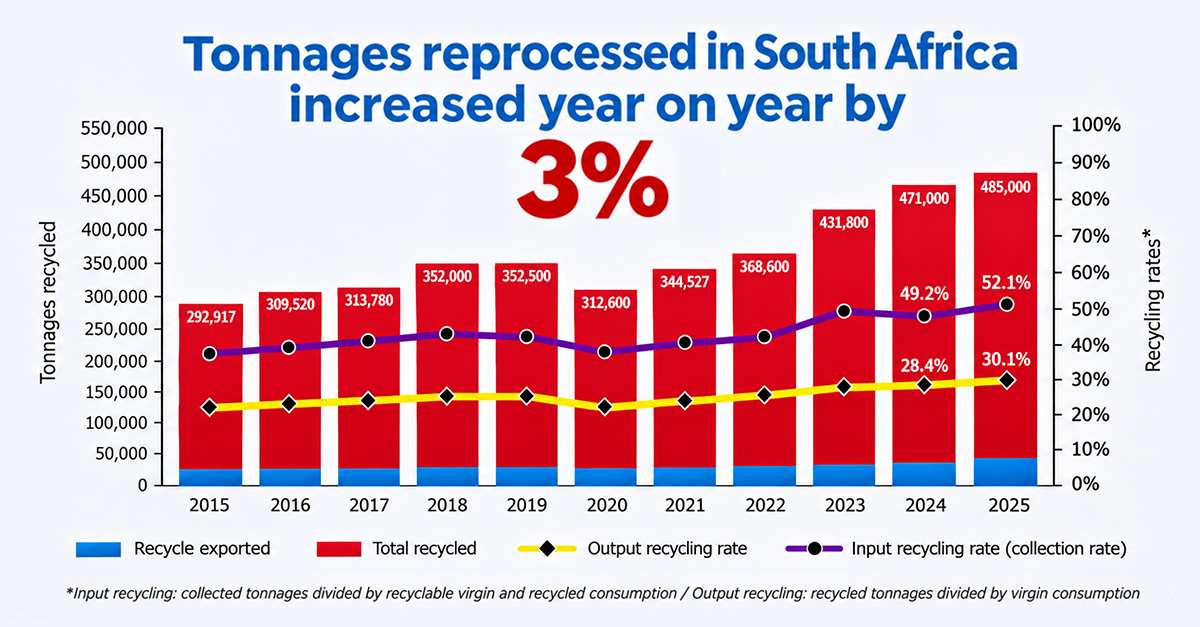
Annabe Pretorius from Plastics SA presented findings from the Plastics in South Africa 2025 Report, offering an encouraging perspective on the growth of recycled plastics in the local market.
Over the past decade, South Africa’s virgin plastic consumption increased by 9%, while recyclate consumption grew by 62%. Although total domestic plastic consumption decreased by 2.4% between 2024 and 2025, the longer-term figures demonstrate a meaningful shift towards the use of recycled content in the plastic packaging.
The presentation also reported that 50% of plastic packaging manufactured in South Africa was recycled in 2025. Interestingly, HDPE (eg. milk bottles and drums) had a higher packaging recycling rate (57%) than PET (beverage bottles, food jars / trays) at only 50%.
Recycling remains dependent on more than the availability of suitable materials. Five key barriers prevent plastics from entering recycling streams: packaging that is not recyclable (multi-layer plastics that are hard/difficult to separate), items that are too small, insufficient markets for recyclate, uneconomical recycling processes and materials that collectors cannot easily recognise.
Addressing these challenges requires collaboration across the packaging value chain from product designers and manufacturers to recyclers, collectors and consumers.
EPR 2.0: Moving beyond compliance
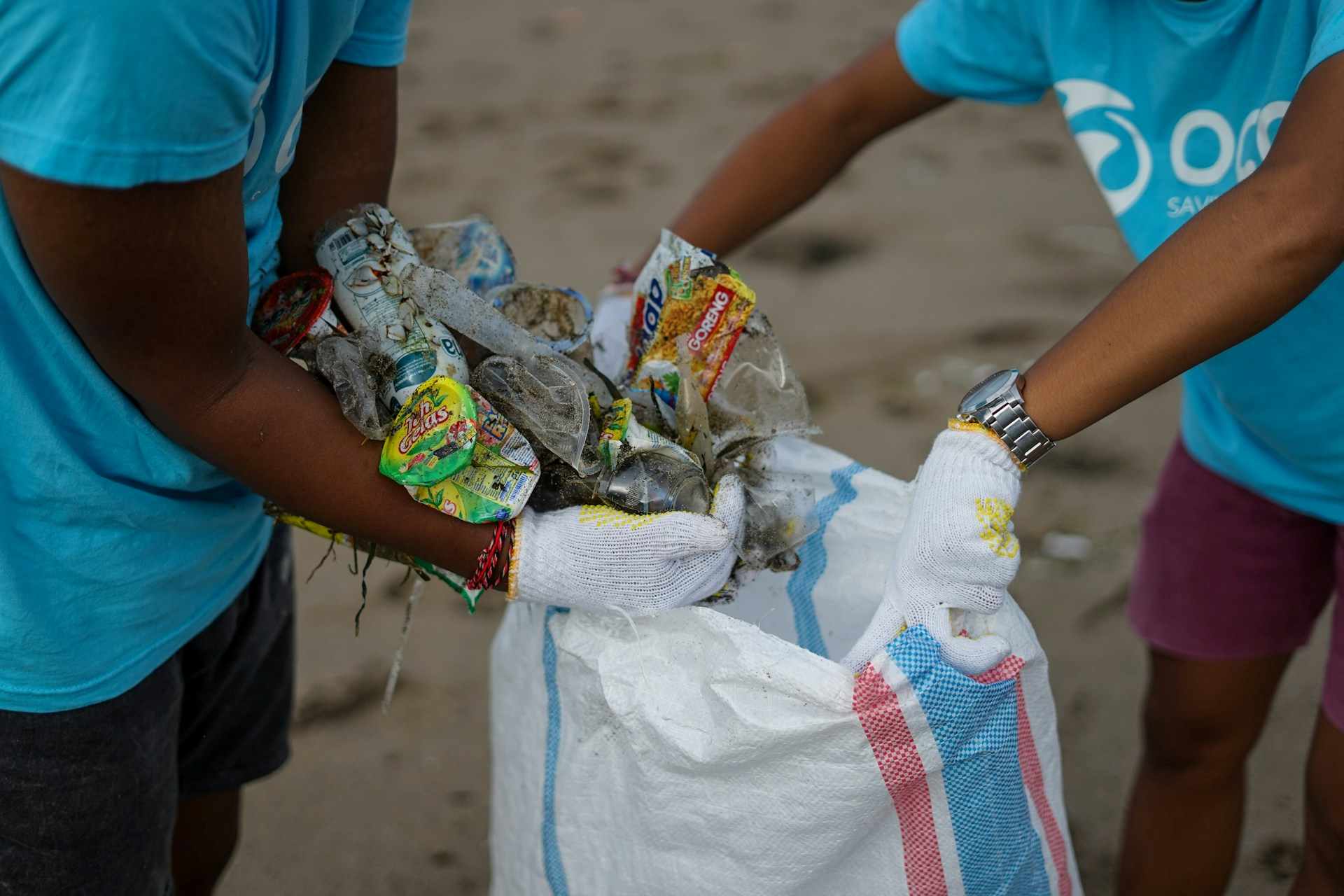
In her presentation, The Impact of Global Packaging Regulatory Shifts on the Domestic EPR Landscape and Local Producers: What South Africa Needs for EPR 2.0, Telly Chauke, CEO of PETCO, explored how extended producer responsibility could evolve to deliver a stronger circular economy.
The next phase needs to move beyond collecting fees and meeting recycling targets. It should encourage better packaging design, improve accountability and strengthen local recycling infrastructure.
Three areas stood out:
- Design for recycling and material circularity: Reward recyclable and mono-material packaging, encourage recycled-content use and discourage difficult-to-recycle formats.
- Governance, measurement and reporting: Introduce independently verified data, consistent reporting standards and stronger enforcement.
- Local recycling capacity: Direct more funding towards collection infrastructure, integrate informal waste pickers and develop local markets for recycled materials.
Eco-modulated EPR fees, which link producer contributions to the environmental characteristics of packaging will also become increasingly important.
For producers, the message is to review packaging portfolios, engage producer responsibility organisations (PROs) early and secure reliable recycled-material supply ahead of tighter requirements.
Global regulations are influencing local decisions
International developments are increasingly influencing packaging specifications in South Africa. The European Union’s Packaging and Packaging Waste Regulation (PPWR) is particularly significant for manufacturers and exporters supplying European markets.
The regulation entered into force on 11 February 2025 with general application beginning on 12 August 2026. Further requirements will follow over the coming years.
The timeline highlights several important milestones:
- 2025: PPWR enters info force.
- 2026: General application begins and core obligations start.
- 2026 – 2028: Secondary legislation, standards and implementation measures develop.
- 2030: Major recyclability, reuse, minimisation and recycled-content requirements begin.
- 2035 and 2038: Recyclability requirements tighten with lower-performing packaging grades progressively phased out.
- 2040: Higher recycled-content targets for plastic packaging take effect.
These changes matter beyond European borders. South African businesses exporting food, beverages, agricultural products and wine into Europe must consider the packaging requirements of their destination markets. Global brand owners may also standardise packaging specifications across markets to simplify compliance.
South Africa’s circular economy roadmap
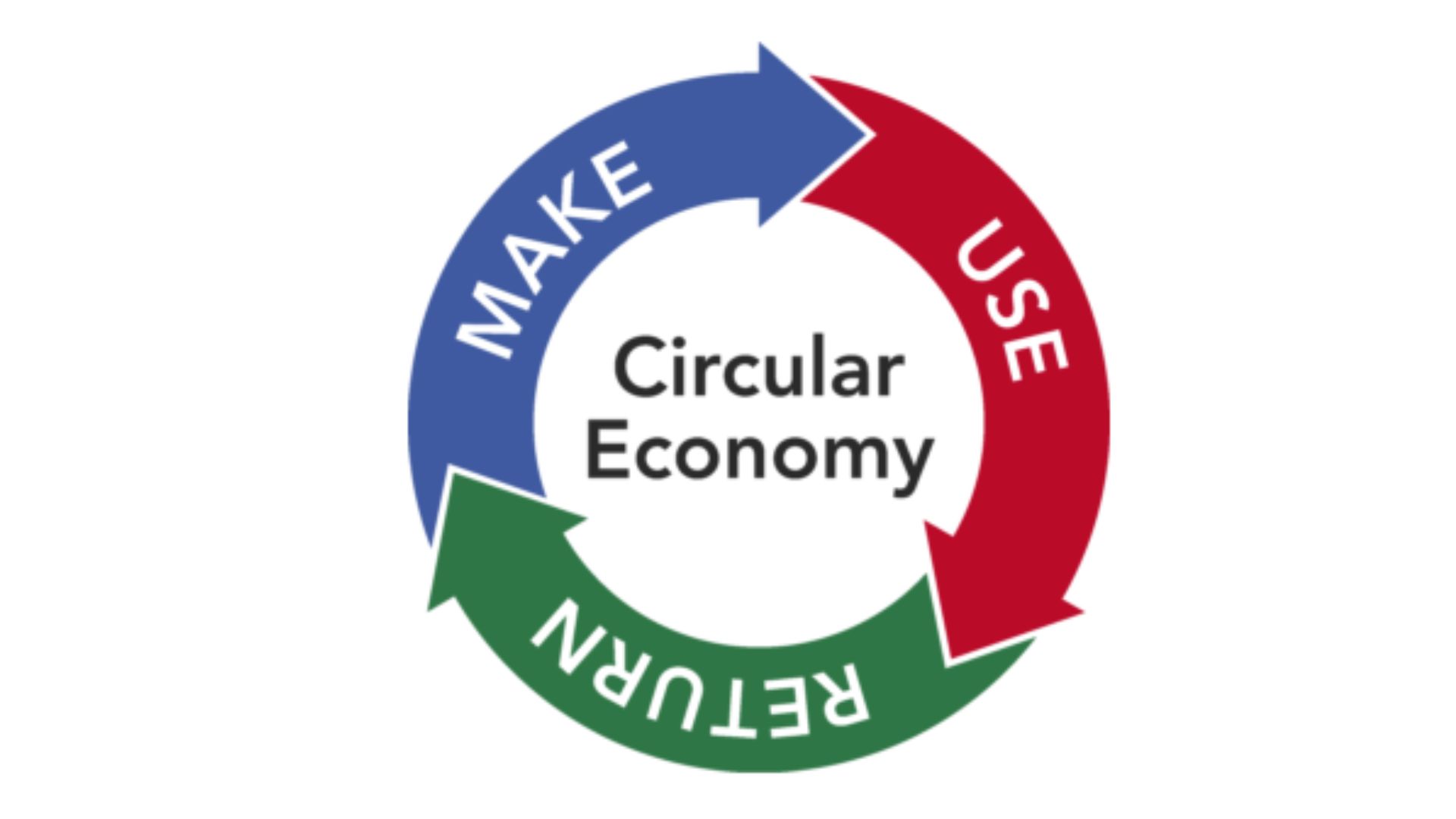
Shabeer Jhetam, Executive Director of Packaging SA, discussed the Draft National Circular Economy Action Plan (NCEAP), which aims to move South Africa away from a traditional take-make-dispose economy towards a more circular model.
Importantly, the framework remains in draft form and does not introduce new legal obligations at this stage.
Its proposed direction includes stronger EPR requirements, increased recycled content, improved traceability and greater investment in recycling infrastructure. The longer-term proposals also include reducing reliance on virgin materials. These proposals should not be confused with enacted legislation.
The 2030 roadmap also includes a 60% national plastics recycling target, an 80% reduction in single-use plastics and separation at source across municipalities.
These targets will require careful consideration, particularly around implementation, infrastructure capacity, funding and consistent definitions.
Preparing for what’s ahead
The Propak Cape 2026 discussions reinforced that regulatory changes will influence packaging design, material choices, procurement and investment decisions.
For the industry, preparation starts now. Businesses should understand the recyclability of their packaging, assess future recycled-content requirements and maintain open communication with customers, suppliers and PRO’s.
At Polyoak Packaging, designing packaging with recyclability and practical end-of-life recovery in mind forms an important part of our contribution to South Africa’s circular plastics economy.
The transition will require investment and collaboration across the value chain. By sharing knowledge, supporting local recycling infrastructure and developing packaging solutions that meet changing market needs, the industry can help build a more competitive and sustainable future.
Link to all the presentations: Institute of Packaging SA